24/7 Emergency Tree Service: What to Do When a Tree Falls on Your Property

What Is 24/7 Emergency Tree Service?

A 24/7 emergency tree service is the immediate removal of hazardous trees that threaten people, property, or access.

This includes fallen trees, storm damage, broken limbs, or trees leaning dangerously toward structures. When a tree becomes unstable, immediate action is critical. Delaying removal can lead to further structural damage, safety hazards, or even complete collapse. That’s why homeowners rely on emergency tree services that are available at any time, day or night.

In Denver, Colorado, emergency tree situations are especially common due to sudden weather changes, heavy snow loads, and high winds that can weaken even healthy trees without warning.

When Do You Need Emergency Tree Service in Denver?

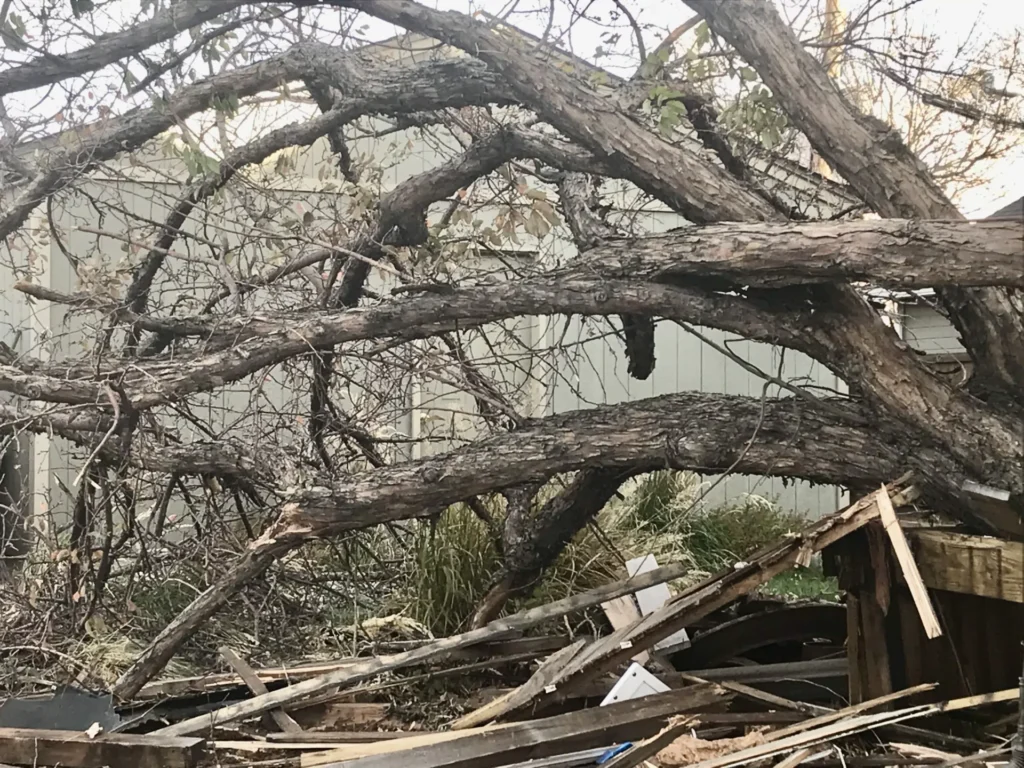
Tree Fell on Your House or Structure

If a tree has fallen on your home, garage, or vehicle, this is an immediate emergency that requires urgent professional attention. The weight of a tree can place extreme pressure on your roof and structural framework, leading to collapse, water intrusion, or interior damage if not addressed right away.

In many situations, the longer the tree remains on the structure, the more severe the damage becomes. This is especially true during storms or high winds when additional force continues to stress the impacted area. In Denver, heavy snow accumulation can add even more weight, increasing the risk of structural failure. Immediate removal is critical to stabilize the structure and prevent further damage. This type of situation often requires immediate fallen tree removal to prevent further structural damage.

Tree Blocking Your Driveway or Road

A fallen tree that blocks your driveway, private road, or nearby street is more than an inconvenience. It is a serious safety concern. Blocked access can prevent you from leaving your property, delay emergency responders, and create dangerous conditions for vehicles and pedestrians.

In many Denver neighborhoods, fallen trees after storms can completely restrict access to residential areas. This can quickly escalate into a critical situation if emergency services are unable to reach your home when needed. A 24/7 emergency tree service ensures that access is restored quickly and safely, minimizing disruption and protecting those around you.

Storm Damage and Split Trees

Storm damage is one of the most common reasons homeowners need emergency tree removal in Denver, especially after heavy snow or wind events. High winds, heavy snowfall, and sudden temperature changes can weaken trees, leading to splitting, cracking, or instability.

Even if a tree has not fully fallen, a split trunk or major structural crack is a serious hazard. These trees can collapse without warning. In many cases, the damage is not immediately obvious, which makes the situation even more dangerous. Trees that appear partially intact may already be structurally compromised, requiring immediate professional evaluation and removal. Delaying removal can lead to further structural damage.

Broken or Hanging Limbs

Large branches that are partially broken and hanging overhead are one of the most unpredictable and dangerous types of tree hazards. These limbs can fall suddenly with little or no warning, especially when exposed to wind, vibration, or additional weight.

In residential areas, hanging limbs over driveways, walkways, or rooftops creates an immediate risk to both people and property. Many tree emergencies in Denver occur after storms when branches do not fully detach but remain suspended. Removing these limbs quickly is essential to prevent injury and avoid unexpected damage. These situations are common forms of storm-damage tree removal that must be handled quickly. Immediate action is critical in this situation.

Trees Near Power Lines

If a tree has fallen or is leaning toward power lines, this becomes a life-threatening emergency. Trees that come into contact with electrical lines can carry live current, creating a serious risk of electrocution or fire.

These situations should never be approached or handled without professional training and specialized equipment. Emergency tree service professionals are equipped to safely manage these high-risk scenarios and coordinate with utility providers when necessary. Immediate response is critical to prevent further danger to your home and the surrounding area. This type of hazard can escalate quickly if not handled immediately.

Emergency Situations at Night or During Active Storms

Tree emergencies rarely happen under ideal conditions. Many occur late at night, during severe weather, or while storms are still actively developing. Waiting until conditions improve can significantly increase the risk of further damage or injury.

In Denver, the weather can shift rapidly, and what starts as a minor issue can quickly become a major emergency within hours. This is why having access to a 24/7 emergency tree service is essential. An immediate response during off-hours or during active storm conditions can prevent additional structural damage, reduce safety risks, and protect your property before the situation worsens. Homeowners across Denver rely on experienced professionals like AAA Emergency Tree Service to safely handle these high-risk situations.

What Should You Do Immediately After a Tree Falls?

Step 1: Stay Away From the Area

Keep a safe distance from the tree and any surrounding debris. Avoid areas near power lines or unstable structures.

Step 2: Assess Damage From a Distance

Look for visible structural damage to your home, roof, or nearby property without putting yourself at risk.

Step 3: Contact a 24/7 Emergency Tree Service Immediately

Delaying action can lead to further damage.
Contact AAA Emergency Tree Service now for immediate assistance

Step 4: Document Everything for Insurance

Take photos of the damage and document the situation for your insurance provider.

Step 5: Review Your Insurance Coverage

Understanding your coverage is important.
homeowners insurance and storm damage coverage

Step 6: Never Attempt DIY Tree Removal

Tree removal is extremely dangerous and should always be handled by trained professionals with proper equipment.

Why Professional Emergency Tree Removal Is Critical

High-Risk Situations Require Expertise

Emergency tree removal is not a simple job. It involves unstable weight, unpredictable movement, and potential hazards.

Specialized Equipment Is Required

Professional crews use cranes, rigging systems, and precision cutting techniques to safely remove trees.

Fast Action Prevents Further Damage

The longer a tree remains in place, the greater the risk of additional damage. Immediate response is critical.

Protecting Your Property and Safety

Improper removal can cause more damage than the original incident. Professional handling ensures safety and control.

AAA Emergency Tree Service has decades of experience handling complex emergency situations and delivering safe, efficient results.

Emergency Tree Removal Scenarios Most Homeowners Face

Tree Falling on a Roof

Lorem ipsum dolor sit amet, consectetur adipiscing elit. Ut elit tellus, luctus nec ullamcorper mattis, pulvinar dapibus leo.

Tree Uprooted After Heavy Snow

In Denver, snow accumulation can weaken root systems, causing trees to fall unexpectedly.

Tree Falling on a Roof

Lorem ipsum dolor sit amet, consectetur adipiscing elit. Ut elit tellus, luctus nec ullamcorper mattis, pulvinar dapibus leo.

Trees Blocking Emergency Access

Blocked driveways or roads can delay emergency services, making immediate removal critical.

Leaning Trees After Storms

Trees that shift position after storms may collapse hours or even days later.

How AAA Emergency Tree Service Handles Emergencies

24/7 Emergency Response

Emergencies happen at any time, and their team is always ready to respond.

Based in Denver, Serving Local Homeowners

Being located in Denver allows for fast response times and an understanding of local weather-related risks.

Decades of Experience Since 1973

With over 30 years of experience, AAA Emergency Tree Service has handled thousands of emergency situations.

Complete Removal and Cleanup

From removal to cleanup, every job is handled professionally and thoroughly.

Learn more about AAA Emergency Tree Service

Can Emergency Tree Service Prevent Future Problems?

Tree Trimming and Maintenance

Regular trimming reduces the risk of branches breaking during storms.

Identifying Weak or Diseased Trees

Professional inspections can catch issues early before they become emergencies.

Preparing for Denver’s Weather Conditions

Denver’s climate can create unpredictable tree hazards, making preventative maintenance essential.

Reducing Long-Term Risk

Investing in tree care now helps prevent costly emergency situations later.

How Fast Can a 24/7 Emergency Tree Service Respond?

Most emergency tree services prioritize urgent situations and respond as quickly as possible. In severe cases, rapid response can prevent further structural damage and ensure safety.

Immediate action is especially important in situations involving blocked access, roof damage, or unstable trees.

Frequently Asked Questions About Emergency Tree Service

What qualifies as an emergency tree service?

Emergency tree service involves removing or stabilizing trees that pose immediate danger to people, property, or access.

How quickly can emergency tree services respond?

Most providers operate 24/7 and respond based on urgency.

Will insurance cover emergency tree removal?

Coverage depends on your policy, but storm-related damage is often included.

Is it safe to remove a tree yourself?

No. Tree removal requires professional equipment and training.

What causes most tree emergencies in Denver?

Heavy snow, strong winds, and weakened tree structures are the most common causes.

Need 24/7 Emergency Tree Service in Denver? Call AAA Emergency Tree Service

If you’re dealing with a fallen tree or a hazardous situation, don’t wait.

AAA Emergency Tree Service is available 24/7 to respond quickly and safely.

Call Now: (303) 248-6051
Request immediate emergency service here

For additional safety guidelines, review
certified arborist standards and tree safety practices

Scroll to Top